
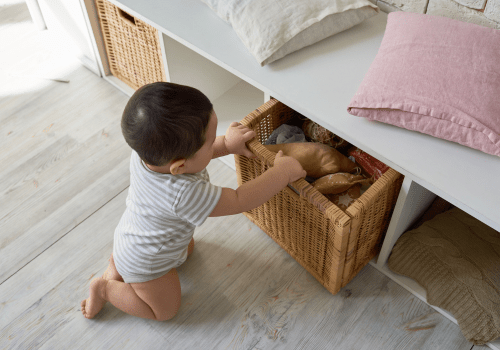
Maintaining a tidy home with children can be a challenging task, but it’s certainly achievable with the right strategies. Creating a well-organised environment benefits the entire family, making it easier to find what you need, reducing stress, and promoting good habits among your kids. Here are some practical strategies for keeping your home organised while accommodating the needs of your little ones.
1. Establish Daily Routines
Creating and sticking to daily routines can help maintain order in your home. Routines make tidying up a regular part of the day, making it less overwhelming for both you and your children.
- Morning and Evening Routines: Establish simple tasks for kids to complete each morning and evening, such as making their beds, putting away clothes, and tidying up their toys. Consistent routines help instill organisational habits.
- Clean-Up Time: Designate a specific time each day for a family clean-up session. This could be right before dinner or before bedtime. Make it a fun activity with music or a timer to keep everyone engaged.
2. Implement Toy Storage Solutions
Toy clutter is a common issue in homes with children. Implementing effective storage solutions can help keep toys organised and easily accessible.
- Bins and Baskets: Use labelled bins or baskets for different types of toys, such as building blocks, dolls, or cars. This makes it easy for kids to find and put away their toys.
- Toy Organisers: Consider toy organisers with multiple compartments or shelving units to keep toys sorted and off the floor. These can be placed in play areas or bedrooms for easy access.
- Under-Bed Storage: Utilise the space under beds for storing toys, books, or seasonal items. Use storage bins or drawers that can be easily pulled out and put away.
3. Create Designated Play Areas
Designating specific areas for play can help contain mess and make tidying up easier.
- Play Zones: Set up a designated play area in a room where toys and games can be enjoyed. Use rugs or play mats to define the space and make it clear where playtime happens.
- Activity Stations: Set up activity stations for different types of play, such as an arts and crafts station, a reading nook, or a building block area. This keeps materials organised and makes clean-up simpler.
4. Involve Kids in the Organisation Process
Involving children in the organisation process helps teach them responsibility and fosters a sense of ownership over their space.
- Sorting and Decluttering: Let kids help with sorting and decluttering their toys and belongings. Teach them to decide what to keep, donate, or discard, making it a learning experience.
- Labelling and Organisation: Involve kids in labelling storage bins or organising shelves. Use picture labels for younger children to help them identify where items belong.
- Setting Up Systems: Include children in setting up organisational systems, such as a chore chart or a family calendar. This helps them understand and follow household routines.
5. Implement Effective Cleaning Habits
Teaching kids effective cleaning habits can make maintaining order in your home more manageable.
- Easy Access Cleaning Supplies: Provide kid-friendly cleaning supplies, such as small dusters, kid-sized brooms, or sanitising wipes. Encourage kids to use these tools to clean up spills or dust their own spaces.
- Cleaning Schedules: Create a cleaning schedule that includes age-appropriate tasks for children. For example, younger kids can help with dusting or putting away toys, while older kids can take on more responsibility, such as vacuuming or sorting laundry.
6. Use Storage Solutions for Everyday Items
Keeping everyday items organised and easily accessible helps reduce clutter and makes it easier to maintain a tidy home.
- Entryway Organisation: Set up a family command centre in the entryway with hooks for coats, bins for shoes, and a place for bags and backpacks. This keeps clutter out of the main living areas.
- Kitchen and Dining Storage: Use drawer dividers and shelf organisers in the kitchen to keep utensils, snacks, and dishes organised. Involve kids in setting the table and clearing their own dishes to promote good habits.
7. Regularly Reassess and Adjust
As your children grow and their needs change, it’s important to regularly reassess your organisational systems and make adjustments as needed.
- Seasonal Reviews: At the start of each season, review and adjust your storage solutions and routines. Swap out seasonal toys and clothing, and update organisation systems as needed.
- Family Meetings: Hold regular family meetings to discuss any organisational challenges or changes. Involve your kids in finding solutions and making adjustments to the systems in place.
8. Keep It Fun and Engaging
Make organising and tidying up a fun and engaging activity to keep your kids motivated.
- Games and Challenges: Turn clean-up time into a game or challenge. Set a timer and see who can pick up the most toys before the buzzer goes off.
- Reward Systems: Implement a reward system to encourage participation. Use stickers, tokens, or small rewards to motivate kids to stick to their cleaning routines and organisational tasks.
Conclusion
Maintaining a tidy home with children is entirely possible with the right strategies and a bit of creativity. By establishing routines, implementing smart storage solutions, and involving your kids in the organisation process, you can create a family-friendly environment that supports both order and productivity. Embrace these tips to keep your home organised and make tidying up a shared responsibility that benefits everyone in the family.
 Sorted Professional Organising
Leave a comment